My Role : Ideation & Design
Teams Involved : Product & Digital Banking
Timeline & Status : 1 Month | Shipped


Overview
Product
AU 0101 is AU Small Finance Bank's digital banking platform serving customers across savings, payments, investments and lending.
Opportunity
A large segment of existing customers were eligible for personal loans but weren't completing applications.
Quick Summary
Who are we building it for ?
First-time and low-confidence borrowers
With businesses of a turnover of less than 5 CR
With no/poor credit history
Residing in T2 & T3 cities
Business Goal
Why This Mattered
Small businesses power a significant share of India's economy, yet many still rely on informal lending channels due to uncertainty around formal credit.
For AU Bank, improving access to lending represented both a growth opportunity and a chance to serve an underserved customer segment.
Problem
The problem wasn't access to credit.
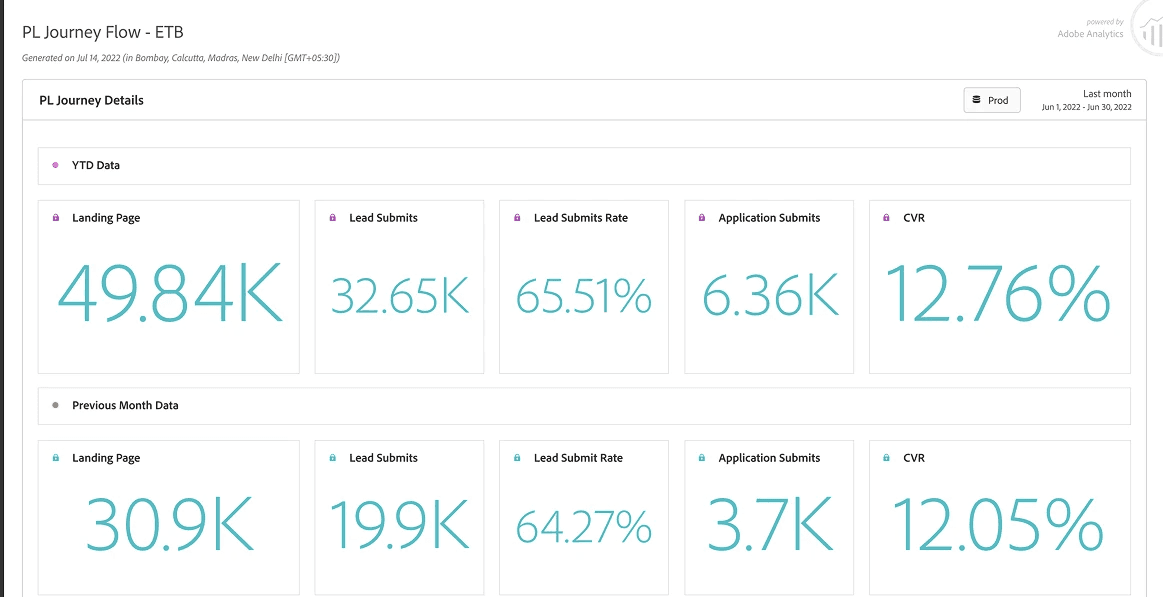
Many customers already had a relationship with the bank and were eligible for lending products. Yet only 2% completed the application journey.
When users needed working capital, they often:
Borrowed from friends or relatives
Used local lenders with high interest rates
Abandoned formal banking channels entirely
The challenge was converting intent into action.
Current Flow

Research Goal & Approach
Increase ETB loan application conversion from 2% -> 10%
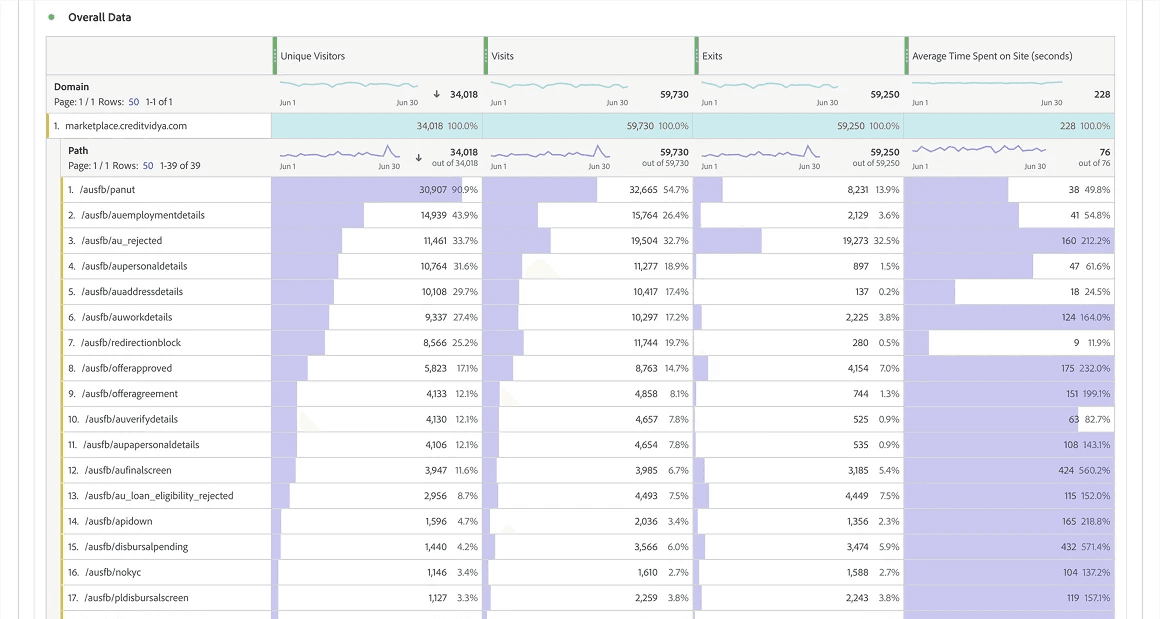
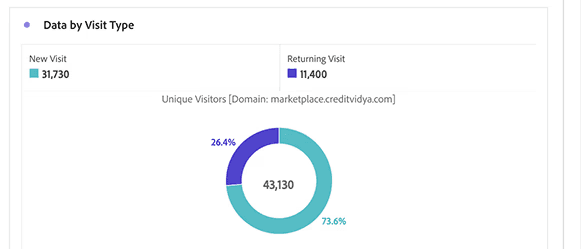
Funnel Analysis -> ETB Journey Audit -> Video Banking Analysis + Stakeholder Interviews

Research Findings & Design Risks
Design Risk
Low product awareness reduced motivation to start.
02 - Users lacked confidence in the journey
Outcomes felt unpredictable
Progress wasn't visible
Eligibility felt unclear
Design Risk
Users hesitated before committing to financial decisions.
03 - Reassurance mattered more than convenience
Most support conversations focused on:
Eligibility
Rejection risk
Application process
Design Risk
Users repeatedly sought validation before proceeding.
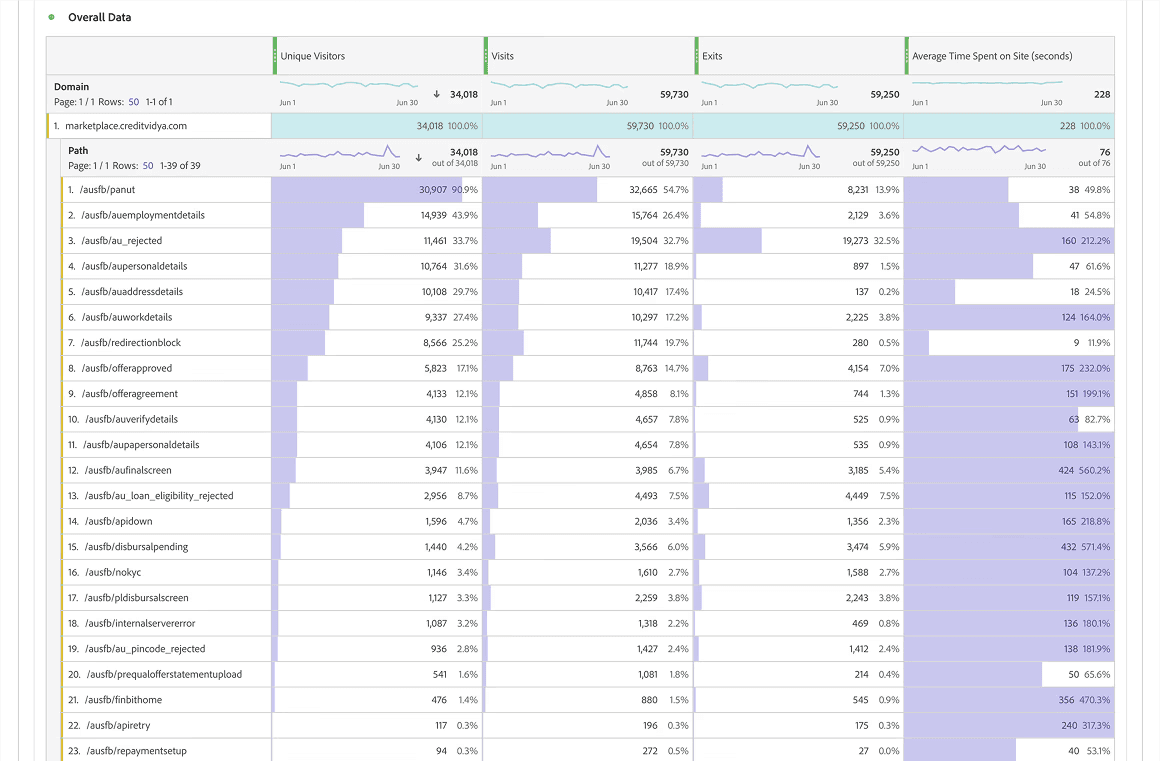
04 - Funnel data confirmed the pattern
Drop-offs occurred consistently throughout the journey, suggesting a systemic confidence issue rather than a single usability failure.

Research findings led us to our biggest insight:
Users weren't dropping off because the journey was difficult.
They were dropping off because they weren't confident enough to continue.
Design Principles & Solution Framework
Bring assisted banking behaviours into a self-serve experience.
User Need
Reassurance
Confidence
Predictability
Design Response
Guidance
Transparency
Progress Visibility
Solution Framework
Awareness
Progress
Make the progress predictable
Confidence
Reduce uncertainity
Solution 1 - Awareness
We introduced:
Dedicated loan landing page
Clear value proposition
Eligibility explanation
Journey expectations
Why
Users needed a reason to begin.

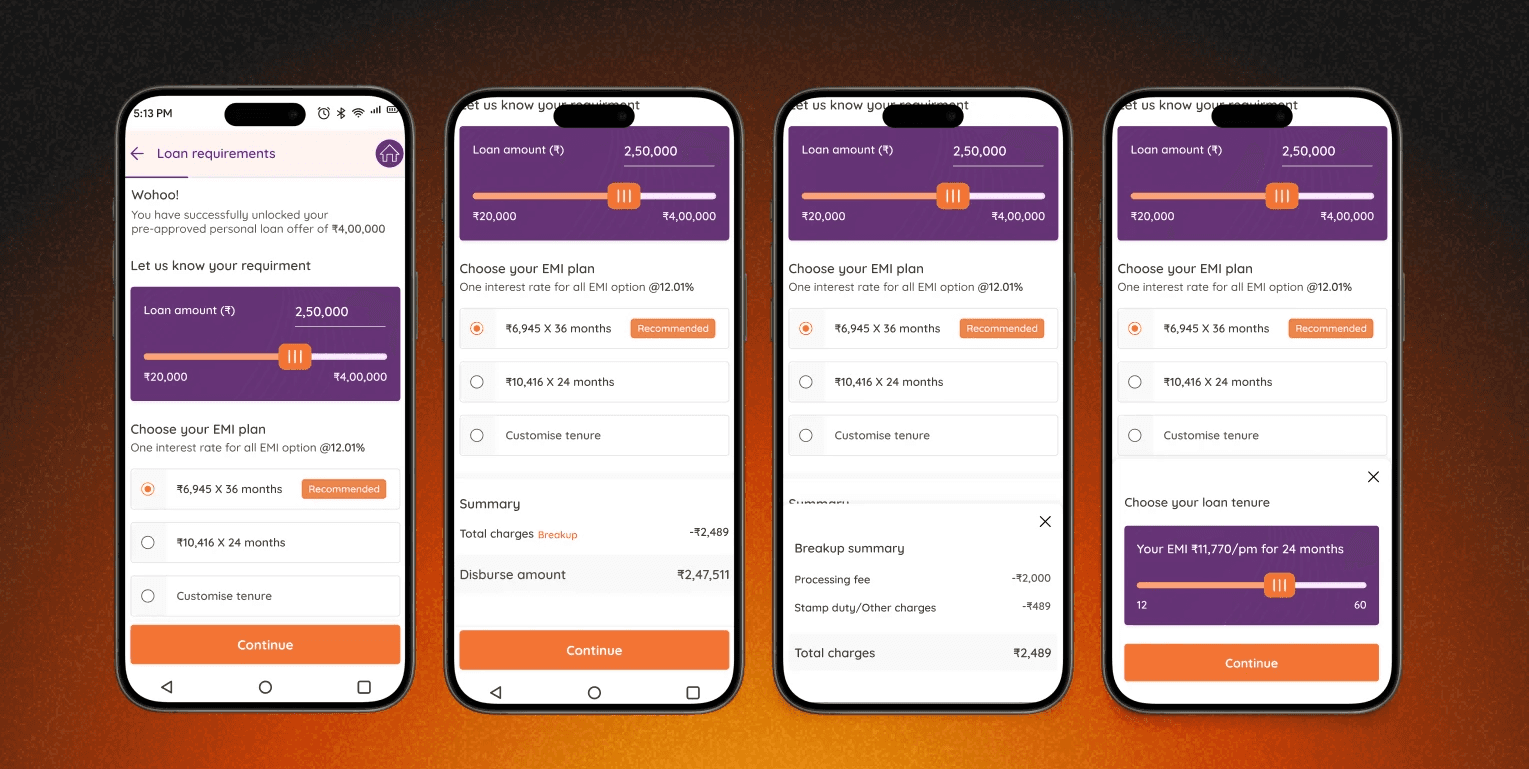
Solution 2 - Confidence
We introduced:
Status visibility
Flexible financial controls
Outcome transparency
Eligibility cues
Why
Users needed confidence before commitment.
Solution 3 - Guided Progress
We clarified:
What happens next
Why steps matter
Expected effort
Application status
Why
Users needed predictability.

Iteration 01
After 3 months with an approval rating of ~75%, the conversion rate could only go from 2 to 8.7%

Iteration 02
We explored whether trust signals could further improve confidence. introducing a familiar brand ambassador increased conversion from 8.7% -> 9%
Impact
35% Conversion
ETB Journey conversion rate went from 2% to 9%
28% Net Profit
33 CR profit on the back of strong loan growth